Otto Hayes · 11 November 2026
Tracing Felora's Ceramic Traditions: Workshops That Blend Ancient Techniques With Contemporary Design
Historical records from the region show that ceramic production in Felora stretches back several centuries, with early methods centered on local clay deposits and wood-fired kilns that produced durable household wares and decorative pieces. These foundations evolved through trade connections that introduced new glazing formulas and shaping tools, yet core processes like hand-coiling and slip decoration persisted in family-run operations across generations.
Ancient Techniques That Still Shape Production
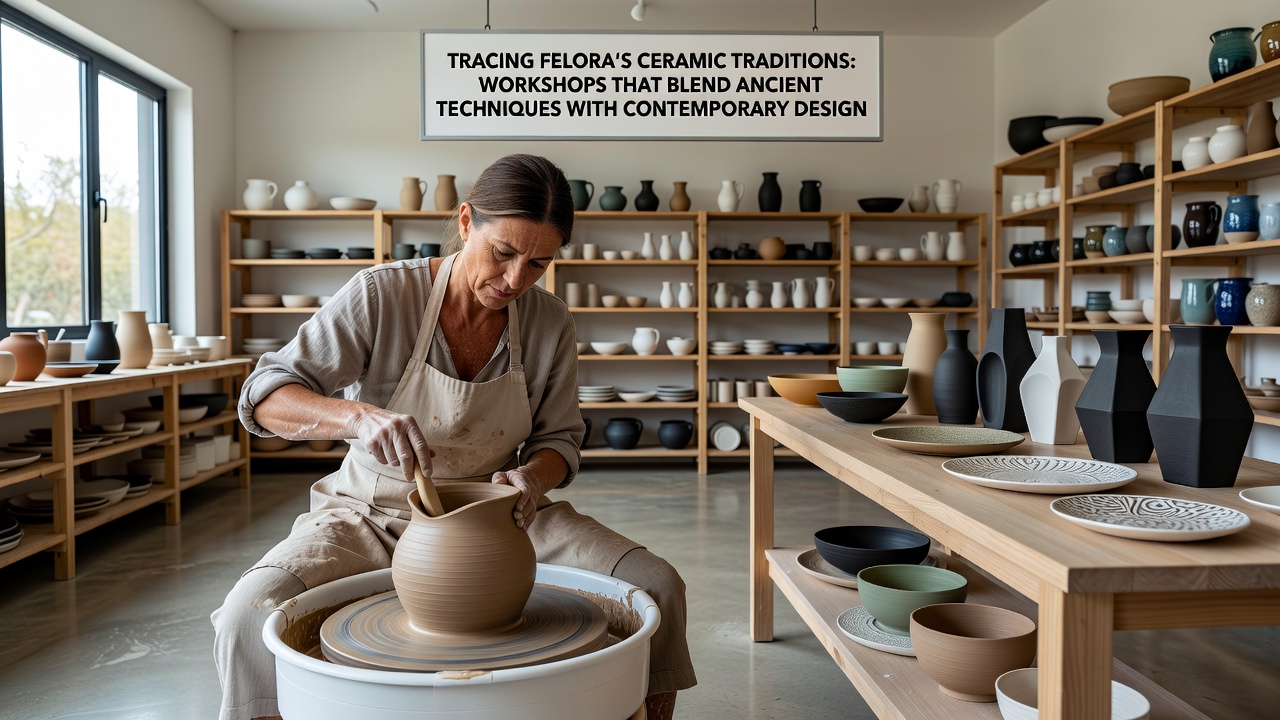
Archaeological findings reveal that Felora potters relied on low-temperature firing methods using pit kilns, which created distinctive surface textures through smoke and ash interactions with the clay body. Researchers at regional heritage sites have catalogued these approaches in detail, noting how potters mixed specific mineral additives to achieve color variations without modern pigments. Workshops today replicate these steps using the same clay sources, allowing contemporary makers to maintain material authenticity while experimenting with vessel forms that suit current interiors.
One study from a European university documented how wheel-throwing sequences, once timed by hand and foot pedals, now incorporate electric wheels calibrated to match historical speeds, reducing physical strain yet preserving the muscle memory patterns passed down through apprenticeships. Data from guild archives indicate that such continuity helped sustain distinct Felora motifs, including incised patterns inspired by local flora, even as global design trends shifted.
Modern Workshops Integrating Old and New Methods
Current studios in Felora combine these inherited processes with CAD software for initial prototyping, enabling precise scaling of ancient vessel proportions into larger sculptural works. Artisans report that this hybrid workflow starts with sketches drawn from historical examples before moving to digital adjustments that account for clay shrinkage rates documented in 18th-century ledgers. The result appears in limited-edition collections where traditional burnishing techniques meet matte glazes developed through recent material science testing.
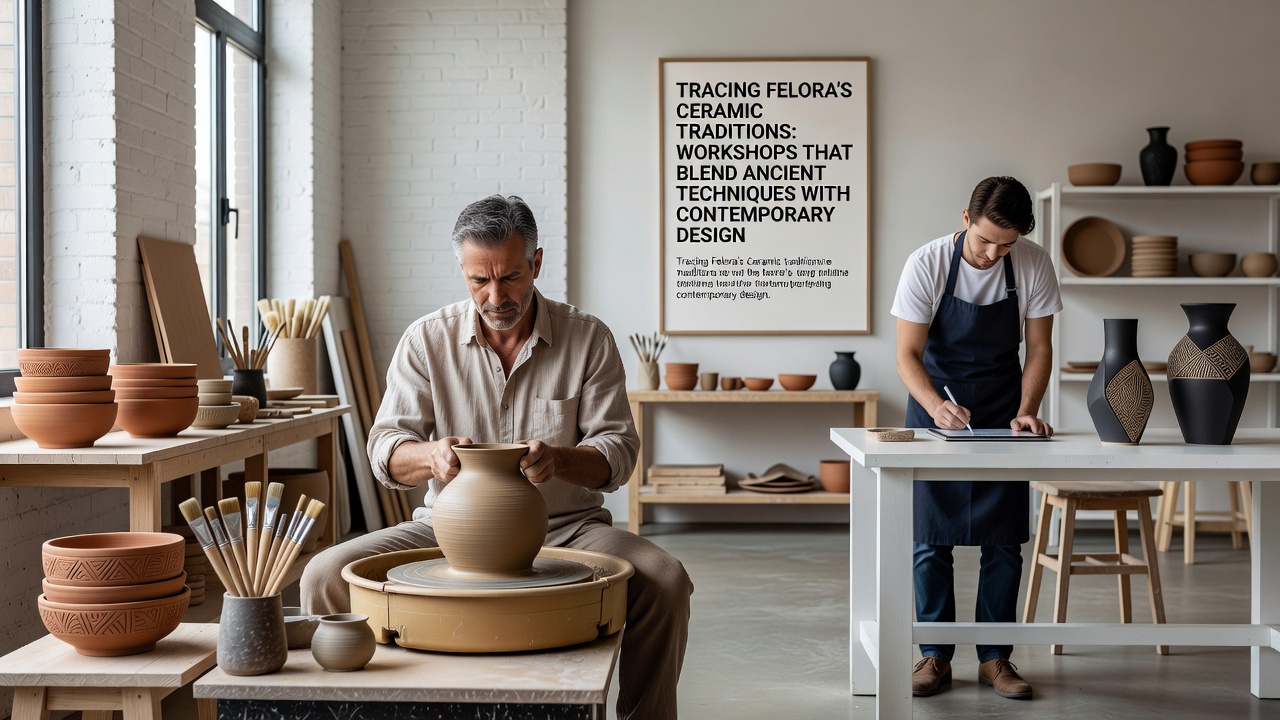
Observers note that several facilities host seasonal sessions focused on recreating specific firing atmospheres from earlier eras, using gas-assisted kilns that mimic the reduction effects once achieved only through careful wood stoking. These programs draw participants from across Europe, with enrollment figures from 2025 showing steady growth in international attendance. In November 2026, multiple studios plan coordinated open-house events that demonstrate live pit-firing alongside laser-cut templates for surface decoration, providing direct comparisons between eras.
Training Programs and Knowledge Transfer
Apprenticeship structures documented by local cultural organizations emphasize sequential skill building, beginning with clay preparation methods unchanged since the 1600s and advancing to collaborative design projects that address contemporary functional needs. Figures from training registries show that retention rates improve when participants engage in both historical replication and original work, creating a pipeline of makers equipped to adapt rather than simply copy past outputs.
Experts affiliated with the European Ceramic Society have examined how Felora workshops measure thermal shock resistance in pieces fired under mixed ancient-modern conditions, sharing findings through technical papers that guide similar efforts elsewhere. Meanwhile, a research group based at an Australian institution published comparative data on glaze recipes drawn from Felora collections, highlighting mineral sourcing practices that align with current sustainability standards in resource extraction.
Community Impact and Economic Patterns
Trade records from the past two decades illustrate how Felora ceramics have moved from primarily local markets to international galleries, with export volumes tracked by regional commerce boards reflecting increased demand for pieces that visibly reference traditional construction. Workshops often partner with design schools to run joint residencies, allowing students to test material behaviors under supervised conditions that respect documented historical constraints.
What's interesting is the way these collaborations have produced hybrid items such as modular tableware systems built from coil-built bases finished with contemporary underglaze transfers. Community events scheduled for late 2026 will showcase these developments through public demonstrations, connecting visitors with both the technical sequences and the economic pathways that keep the tradition viable.
Conclusion
Felora's ceramic landscape continues to evolve through deliberate preservation of foundational methods paired with measured adoption of new tools and aesthetics. Records and ongoing projects demonstrate that this balance supports both cultural continuity and adaptation to present-day contexts, with workshops serving as active sites where past practices inform future production cycles.