Mia Jung · 16 September 2026
Oral Histories Reveal Untold Stories of Felora's Community Evolution
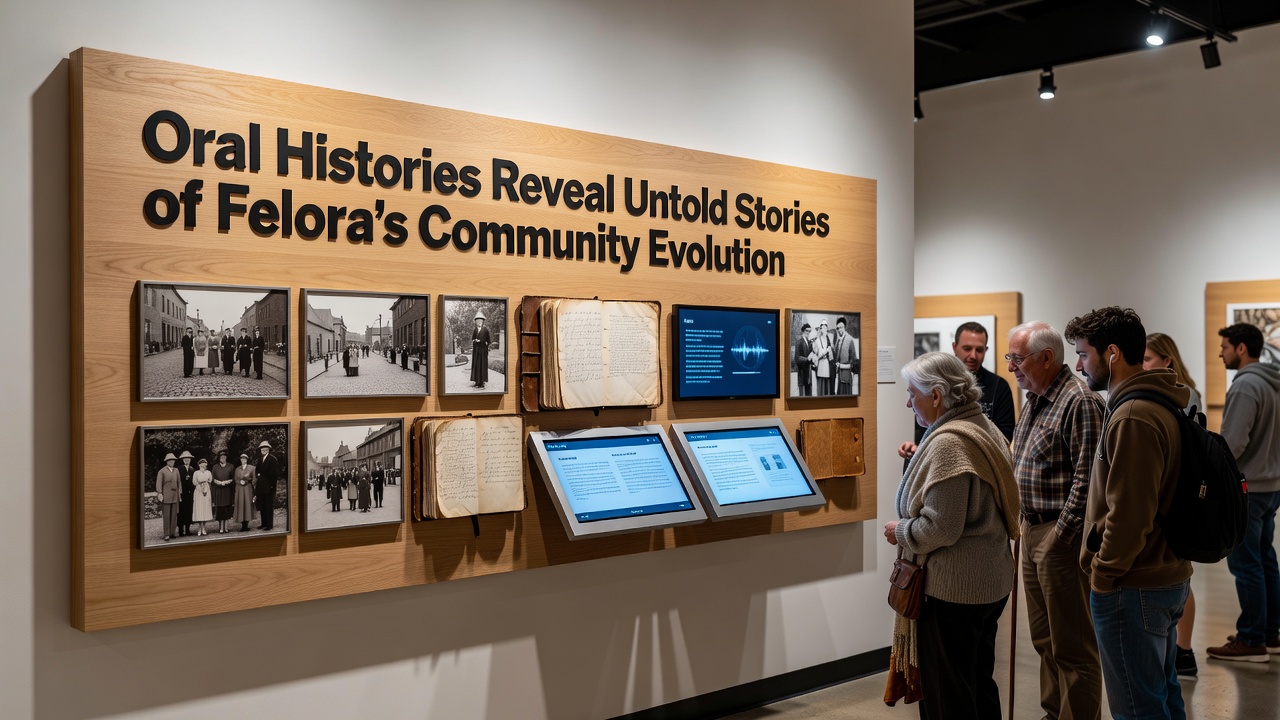
Researchers launched an oral history initiative in Felora during 2024 and the effort quickly expanded to capture voices spanning multiple generations while local archives partnered with regional universities to digitize recordings and transcripts for broader access. The project documented shifts in daily life, economic patterns, and social structures that shaped the area from the mid-20th century onward and participants shared accounts of agricultural changes, migration waves, and the gradual integration of new technologies into traditional practices.
Project Origins and Scope
Local historians began the work after noticing gaps in written records and they reached out to community elders who agreed to participate in structured interviews conducted across several neighborhoods. Teams recorded sessions in homes, community centers, and even outdoor locations where older residents felt most comfortable and the resulting collection now includes more than 250 interviews that cover topics such as post-war reconstruction, seasonal labor movements, and the evolution of local markets. Data from the initiative shows that many families maintained multi-generational ties to the land yet adapted to external pressures through collective decision-making and skill-sharing networks.
One group of interviewers focused on residents who lived through the 1960s economic transitions and their narratives revealed how small-scale farming gave way to cooperative models that incorporated mechanized tools while preserving crop diversity. Another cohort examined stories from the 1980s when new infrastructure projects altered transportation routes and community members described both the opportunities and disruptions that followed road expansions and utility installations.
Key Narratives from Residents
Accounts collected from former market traders illustrate how barter systems gradually incorporated cash transactions during the 1970s and one longtime vendor recalled coordinating with neighboring villages to maintain supply chains during periods of scarcity. These details align with broader European patterns documented in heritage reports yet add personal context that official statistics often overlook. Meanwhile, stories from women who entered the workforce in greater numbers during the same decade highlight adjustments in household roles and childcare arrangements that supported emerging industries.
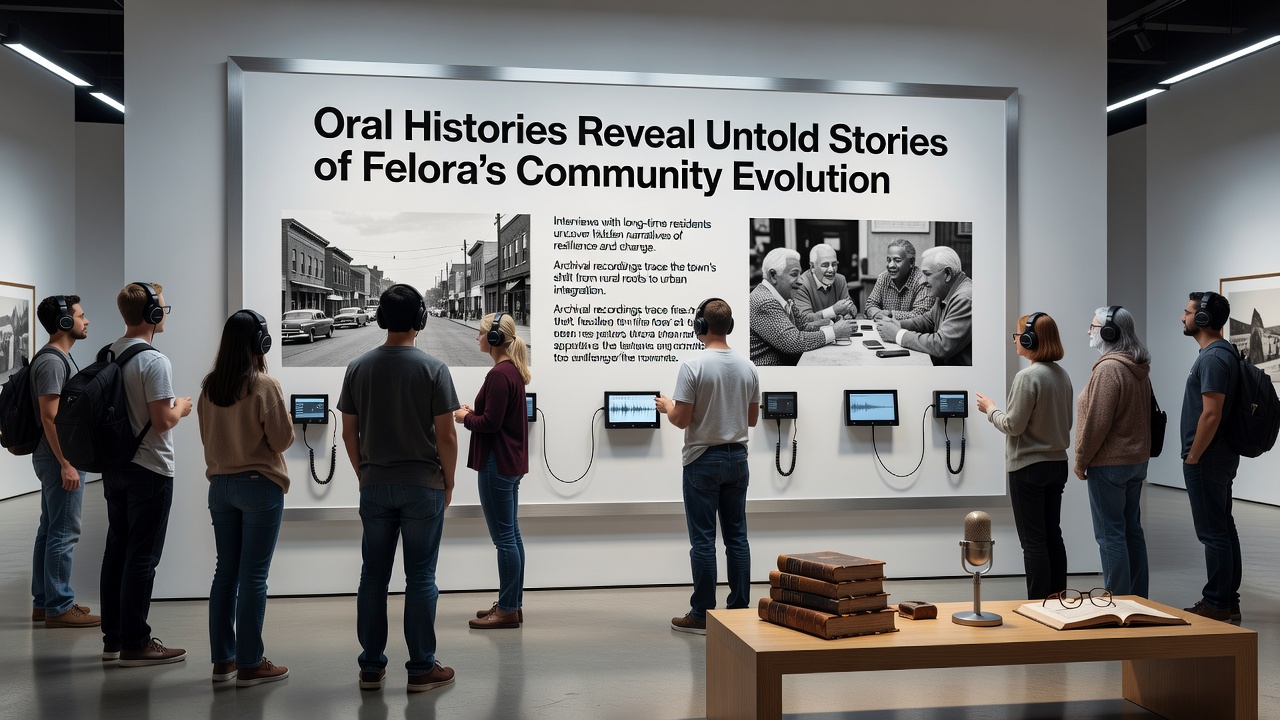
Migration emerged as a recurring theme across the recordings and residents described departures for urban centers in the 1990s followed by returns that brought new skills and perspectives back to the region. Researchers noted patterns where returnees established small businesses that blended traditional crafts with contemporary design elements and these enterprises contributed to a revitalized local economy by the early 2000s. The interviews also captured perspectives from newer arrivals who arrived in the 2010s and integrated through participation in cultural festivals and volunteer initiatives.
September 2026 Milestones
Project coordinators announced plans for a public archive launch scheduled for September 2026 and the event will feature interactive exhibits drawn directly from the interview collection. Organizers expect participation from academic institutions across multiple countries and the timeline includes workshops that train volunteers in oral history techniques to sustain future documentation efforts. According to updates from the Oral History Association, similar community-driven projects have demonstrated long-term value in preserving intangible cultural heritage when paired with accessible digital platforms.
Additional partnerships formed with research groups in Canada and Australia to compare Felora's findings against parallel studies conducted in other rural European settings and early cross-analysis indicates shared themes around resilience and adaptation despite distinct geographic contexts. These collaborations rely on standardized metadata protocols that allow researchers to query the full dataset without compromising participant privacy agreements.
Impact on Local Heritage Efforts
Schools in the region began incorporating selected excerpts into history curricula during the 2025 academic year and educators reported increased student engagement when lessons connected textbook events to firsthand accounts from community members. The initiative also influenced municipal planning discussions as decision-makers reviewed interview themes related to sustainable land use and infrastructure priorities. Figures released by the European Commission cultural heritage programs show rising interest in oral history methodologies across member states and Felora's approach serves as one model under review for potential replication.
Conclusion
The oral history project continues to grow through ongoing recruitment of participants and refinement of preservation techniques while the September 2026 archive opening marks a significant step toward wider dissemination. Collected stories provide concrete examples of how Felora's community navigated change across decades and the documented narratives now stand as a resource for future scholars, planners, and residents seeking context for ongoing development.